
"Latin love" – 2415 rezultate
0.03 secundeMeilisearch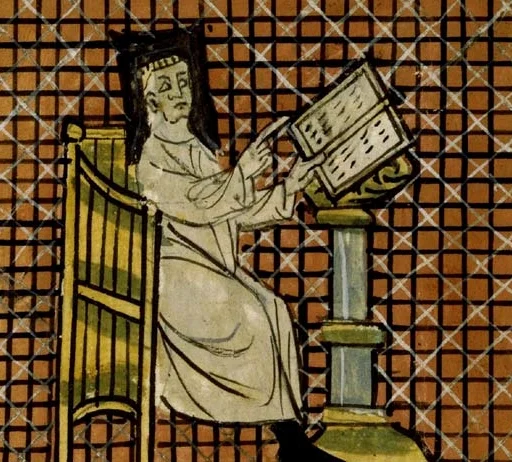 PC
PCPierre de Saint Cloud
This skillful and cultured poet brought the adventures of Renart the Fox, known previously only in Latin, to a wider, French-speaking public. The two earliest branches of the Roman de Renart, II and Va (ca. 1174–77), which relate the love affair of Renart and Hersent the she-wolf, are attributed to him. Though he imitated Ysengrimus for three episodes (“Renart and Chantecler,” “Renart and the Titmouse,” “Renart and Hersent”) and Marie de France for another (“The Fox and the Crow”), “Renart and Tibert the Cat” is his own invention. He pokes fun at the legal system, pontifical legates and certain religious institutions, princes and nobles, through a subtle parody, intended largely to evoke laughter, of the chansons de geste and Arthurian romance. He was read and imitated by French and foreign authors of beast epics, such as Jacquemart Gielée, Heinrich der Glîchezâre, and Chaucer), by fabulists and writers of exempla (Eudes de Cheriton, Nicole Bozon, Jacques de Vitry), and by Philippe de...
9 poezii, 0 proze
 CF
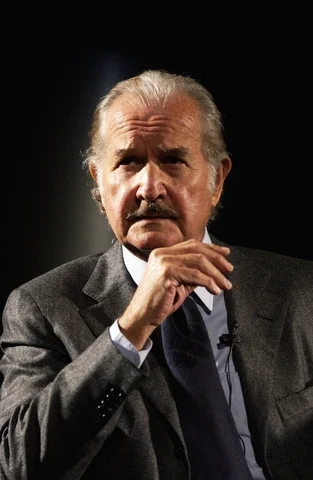
CFCarlos Fuentes
Carlos Fuentes Macías (born November 11, 1928) is a Mexican writer and one of the best-known living novelists and essayists in the Spanish-speaking world. Fuentes has influenced contemporary Latin American literature, and his works have been widely translated into English and other languages. Fuentes was born in Panama City, Panama; his parents were Mexican. Due to his father being a diplomat, during his childhood he lived in Montevideo, Rio de Janeiro, Washington, Santiago, Quito, and Buenos Aires. In his adolescence, he returned to Mexico, where he lived until 1965. He was married to film star Rita Macedo from 1959 till 1973, although he was an habitual philanderer and allegedly, his affairs—which he has claimed include film actresses such as Jeanne Moreau and Jean Seberg- brought her to despair. The couple ended their relationship amid scandal and Fuentes then married journalist and now famous interviewer Silvia Lemus. Following in the footsteps of his parents, he also became a...
2 poezii, 0 proze
 JL
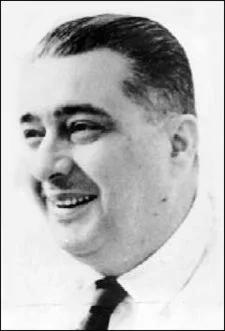
JLJosé Lezama Lima
José Lezama Lima (19 decembrie, 1910 în Havana, Cuba - 8 august, 1976 în Havana, Cuba) a fost un romancier ți poet cubanez. Born in the Columbia Military Encampment close to Havana in the city of Marianao where his father was a colonel, Lezama lived through the most turbulent times of Cuba's history, fighting first against the Machado dictatorship, and later surviving the Castro regime. A gay man himself,[1] his literary output includes the semi-autobiographical, baroque novel Paradiso (1966), the story of a young man and his struggles with his mysterious illness, the death of his father, and his developing homosexuality and poetic sensibilities. Lima also edited several anthologies of Cuban poetry and the magazines Verbum and Orígenes, presiding as the patriarch of Cuban letters for most of his later years. In addition to his poems and novels, Lezama wrote many essays on figures of world literature like Mallarmé, Valéry, Góngora and Rimbaud as well as on Latin American baroque...
3 poezii, 0 proze
 MA
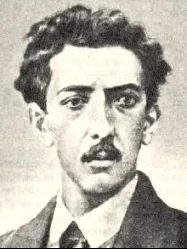
MAManuel Acuña
Manuel Acuña Narro (27 August 1849 – 6 December 1873) was a 19th-century Mexican writer. He focused on poetry, but also wrote some novels and plays. Even though he was famous at an early time of his life, he decided to commit suicide. It is not certain why he killed himself, but it is thought that he did so because of a woman. Acuña was born in the city of Saltillo, Coahuila, on August 27, 1849 to Francisco Acuña and Refugio Narro. He was taught how to write and read at an early age. Later he studied in the “Colegio Josefino”, in Saltillo. Around 1865 he was transferred to Mexico City to the School of San Ildefonso, where he entered as a full time student. Here he studied mathematics, Latin, French and philosophy. Acuña lived at a time at which Mexican society was dominated by philosophical-positivist intellectuality. Furthermore he was living as a romantic tendency in poetry was occurring. In January 1868, Acuña initiated his studies in medicine at the...
1 poezii, 0 proze
 IC
ICIon Călugăru
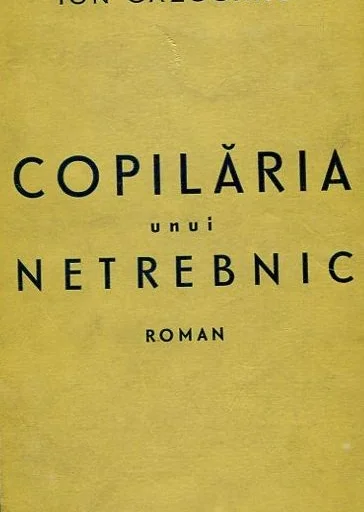
Ion Călugăru, pseudonimul lui Ștrul Leiba Croitoru, (n. 14 februarie 1902, Dorohoi - d. 22 mai 1956, București) a fost un prozator, romancier, dramaturg și gazetar român de origine evreiască. Studii primare la Dorohoi, studii liceale la liceul Matei Basarab din București pe care nu-l termină, în ciuda sprijinului acordat de profesorul de latină, Eugen Lovinescu. Este coleg de liceu cu Sașa Pană. A scris în revistele avangardiste, precum Contimporanul, unu, Integral, dar a colaborat și la revista lui Nae Ionescu, Cuvântul, unde se împrietenește cu Mihail Sebastian. A debutat cu o culegere de povestiri umoristice, Caii lui Cibicioc. Publică ulterior două cărți de proză în spiritul avangardismului, Paradisul statistic și Abecedar de povestiri populare. După 1930 însă, se concentrează în proză asupra reprezentarea literală a mișcărilor sociale, mizeria maselor, huzurul și intrigile din lumea marelui capital și lupta clasei muncitoare. În ultimii săi ani de viață, scrie și piese de teatru...
1 poezii, 0 proze
 AG
AGAdrian Alui Gheorghe
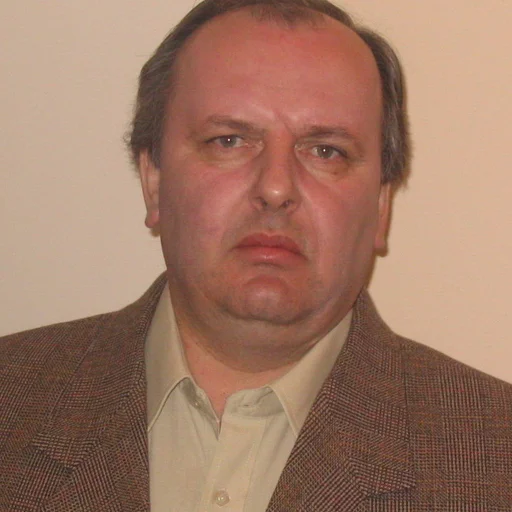
Adrian Alui Gheorghe (n. 6 iulie 1958, Grumăzești, Neamț) este un poet, prozator și publicist român. Adrian Alui Gheorghe s-a născut la 6 iulie 1958, în loc. Grumăzești, jud. Neamț. Absolvent al facultății de filologie din cadrul Universității "Al.I.Cuza" din Iași, specializarea Română – Limba latină cu licența în anul 1986, cu teza "Paradigma erosului în poezia lui Ovidius"; îndrumător: prof. univ. dr. Traian Diaconescu; Doctor în Filologie din anul 2004 cu teza "Tinerețe fără bătrînețe și sentimentul tragic al timpului" (Universitatea "Al. I. Cuza" din Iași); coordonator: prof. univ. dr. Petru Ursache Activitate profesională: - 1977 – 1982: operator chimist la CFS Săvinești, miner la Livezeni, Lonea și Petrila; 1983 – 1989: profesor de limba și literatura română la școlile generale din Țibucani și Pipirig, profesor îndrumător, catedra de creativitate din cadrul Clubului Copiilor din Piatra Neamț;1989 – 1990: redactor la ziarul “Ceahlăul” din Piatra Neamț;1990 – 1991: consilier la...
5 poezii, 0 proze
 PS
PSPublilius Syrus
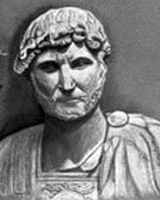
Scriitor latin, de origine siriană. Autor de mimi (farse), care abundau în maxime morale (sententiae) foarte apreciate atât de contemporanii săi, cât și de posteritate. Engleză Publilius (less correctly Publius) Syrus, a Latin writer of maxims, flourished in the 1st century BC. He was a Syrian who was brought as a slave to Italy, but by his wit and talent he won the favor of his master, who freed and educated him. His mimes, in which he acted himself, had a great success in the provincial towns of Italy and at the games given by Caesar in 46 BC. Publilius was perhaps even more famous as an improviser, and received from Caesar himself the prize in a contest in which he vanquished all his competitors, including the celebrated Decimus Laberius. All that remains of his works is a collection of Sentences (Sententiae), a series of moral maxims in iambic and trochaic verse. This collection must have been made at a very early date, since it was known to Aulus Gellius in the 2nd century AD....
1 poezii, 0 proze
 LD
LDLucia Daramus
Curriculum Vitae Lucia Dărămuș Work Experience -Latin and Greek teacher since 1999 -Culture editor for Renasterea Radio Station Cluj –Napoca, 2003-2005 - Culture editor for the Pro Saeculum magazine, 2005 Education 1994-1998 – BBU Cluj-Napoca, Faculty of Letters, BA in Ancient Greek and Latin 2000-2002 – BBU Cluj-Napoca, Faculty of Letters, MA in Integrated Linguistics - BBU Cluj-Napoca, The Institute of Jewish Studies, attendant of lectures on Jewish Culture and Civilization Achievements ( Symposiums, Conferences, Contests) April 1994 –2nd Prize for A Philological Study on St. Paul’s Letters, under the guidance of Elena Popescu, Lecturer April 1996 – 2nd Prize for A Comparative Study on religious elements in The Persions and the Old Testament, under the guidance of Professor Michail Nasta, Ph.D. April 1997 – 3nd Prize for A Philological Study on the Books of the New Testament, under the guidance of Vasile Rus, Lecturer Oct 1999 ( The National Student Symposium Lucian Blaga) – Special...
33 poezii, 0 proze
Louise Labee
Fille et femme de riches cordiers, son surnom de «belle cordière» est fort explicable. Louise Labé, femme de lettres surtout poétesse, ravissante joueuse de luth qui s\'initia au latin, à l\'italien et à la musique, était aussi une amazone pour qui l\'escrime ou l\'équitation n\'avaient aucun secret. Par surcroit, l\'une des premières féministes de l\'histoire, Louise Labé ne laisse personne indifférent. La belle cordière tenait «bureau d\'esprit» dans sa maison à Lyon. Le domicile de Louise Labé était le rendez-vous de la société la plus distinguée et la plus lettrée. Les artistes, des avocats, des érudits, de riches Italiens figuraient aussi dans ce cénacle.
8 poezii, 0 proze
Doina Uricariu
5 Octombrie 1950 Se naște la București. Doina Uricariu fiica lui Gheorghe și a Elenei Uricariu. 1955-1956 Primele poezii scrise în două caiete la Băneasa. A învățat să scrie întâi în alfabetul gotic apoi cu alfabetul latin. 5 August 1966 Debutează literar cu un grupaj de versuri în Contemporanul și cu o prezentare semnată de Geo Dumitrescu. 1966-1998 Grupaje de versuri și recenzii, studii, eseuri în principalele reviste literare și de cultură. Reportaje și interviuri. (România literară, Viața românească, Transilvania, Steaua, Revue Roumaine, Arta, Amfiteatru, Cronica, Luceafărul, Vatra, Convorbiri literare, Tomis, Secolul XX, Livres roumains, Cahiers d’etudes litteraires, Neue literatur, Poesis, 22, Dilema, România literară, Curentul, Universul cărții, Avantaje, Lumina... 1970 Premiul pentru poezie la al II-lea Colocviu Național de Literatură al studenților. 1973 Pemiul pentru poezie la concursul național „Nicolae Labiș”. 1976 Premiul de critică al revistei Luceafărul. Debutează cu...
14 poezii, 0 proze
Latin love
de Razvan Dragoi
Ave, morituri de fame integratur sperandus in vanus, optimus fugitori patriae și grandes căpșunaros de Hispania et ciorditores mașinorum de Alemania! Să facem cunoștință! Sunt generalul roman...
Umorul, testosteronul și macho picho epigramiștii
de Atropa Belladona
Mă pune naiba, (că pe mine des de tot mă pune naiba să-l caut cu lumânarea), deci, mă pune naiba zilele trecute și m-apuc de bădădăit pe net. Din una-n alta, dau peste un articol care zicea, printre...
never the same: Romania and Bulgaria
de Felix-Gabriel Lefter
Never the same: Romania and Bulgaria Suspicious, holding the blade in trembling hands, always carrying on each other trouble, or superiority, as it takes, competing, hating, trying to do something...
Alteța sa...
de Gondos Ana
Se ridică cu faima neștirbită a unei văduve, Se agită ca o notă muzicală în octave, Poartă rochii negre dantelate și evantaie, Ochii îi sunt diamante de pară și din foc are straie, Se plimbă mereu...
Diptic 3
de Retina Gliga-Deci
Era o seară de vară cu lumina fumurie, filtrată de câteva zdrențe de nori înfuiorați strategic în jurul razelor scăpate printre, care înnobilau apusul cu luciul bronzului vechi. În acea seară îmi...
EgoPHobia #29-30 e online
de Sorin - Mihai Grad
de ceva vreme puteți citi online noul număr al e-revistei EgoPHobia, în care invitate sunt editurile Casa de Pariuri Literare & Herg Benet Publishers sumarul acestui număr: ~ editorial >>> Ștefan...
A plecat dintre noi poetul ANGHEL DUMBRÃVEANU
de Andrei Novac
A plecat dintre noi, după o lungă și grea suferință, poetul, prozatorul și traducătoru ANGHEL DUMBRÃVEANU, strălucită personalitate a culturii române contemporane, ilustru reprezentant al generației...
Italia mea nu sînt în stare prin cuvinte...
de Francesco Petrarca
I Italia mea nu sînt în stare prin cuvinte Să-ți lecuiesc atîtea răni mortale Cîte văd adesea pe trupul tău frumos; Dar aș dori să fie oftatul meu fierbinte Cum îl vor Tibrul, Arnul unduios Și padul...
Cartea viselor
de rechesan gheorghe
El nu vorbește cuprins de rătăcire, El nu este decît un cuvînt revelat”( Imam al Ghazali ) CUVÎNT ÎNAINTE CÃTRE CITITORI Autorul încredințează pe toți cei care vor parcurge această carte, că nu-și...
Străluciri diamantine în Israel (6)
de Doru Ciucescu
Parcursesem nouă opriri ale Drumului Crucii, celelalte cinci fiind în incinta Bisericii Sfântului Mormânt. În pauza de shopping grupul de turiști români se aduna cu greutate de pe traseu; timp pentru...