
"Lenguaje sin palabras" – 212 rezultate
0.02 secundeMeilisearch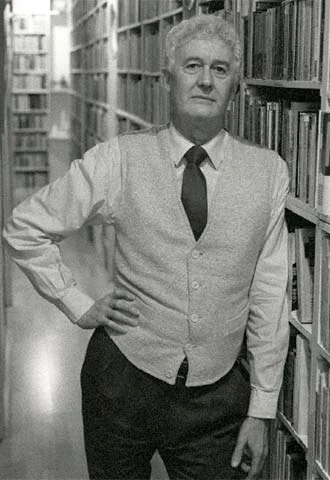 FG
FGFélix Grande
Félix Grande (Mérida, 4 de febrero 1937) poeta, flamencólogo y crítico español. Se le considera uno de los grandes renovadores de la poesía española de los años sesenta. Aunque nació en Mérida, Badajoz, vivió su infancia y juventud en Tomelloso (Ciudad Real), donde su abuelo era cabrero. Hijo de un guardia de asalto, era guitarrista flamenco cuando, según ha contado él mismo, decidió cambiar ese instrumento por la literatura, que en su pluma posee mucha relación con la música. En Tomelloso fue jornalero y descubrió el amor. Su obra evolucionó desde la inspiración machadiana y el compromiso social de Las piedras a una reflexión sobre el lenguaje y el erotismo. Premio Adonais en 1963 por Las piedras. Otras obras del autor son Música amenazada (1966), el libro de relatos Fábulas, visión crítica del mundo actual (1991) y el ensayo Apuntes para una poesía española de posguerra (1970). Está casado con la poeta Francisca Aguirre con la que ha tenido una hija, también poeta, Guadalupe Grande....
1 poezii, 0 proze
 JB
JBJaime Gil de Biedma
Jaime Gil de Biedma y Alba (Nava de la Asunción, Segovia, 13 de noviembre de 1929 - Barcelona, 8 de enero de 1990) fue un poeta español, uno de los autores más importantes de la Generación del 50. Nacido en 1929 el seno de una familia de la alta burguesía castellana, su padre se trasladó a Barcelona para trabajar en la Compañía de Tabacos de Filipinas. El que fuera su despacho puede ser visitado hoy en día en el Hotel 1898 en La Rambla de Barcelona. Gil de Biedma estudió Derecho en Barcelona y en Salamanca, donde obtuvo la licenciatura en dicha materia. Su poesía evoluciona desde los primeros poemas intimistas de Las afueras al compromiso social de Compañeros de viaje. Al mismo tiempo es una poesía que evita constantemente el surrealismo y busca la contemporaneidad y la racionalidad a toda costa a través de un lenguaje coloquial, si bien desnudo de toda referencia innecesaria. Verdadero exponente de lo que se suele denominar una doble vida, Biedma desarrolla actividades...
1 poezii, 0 proze
 PQ
PQPedro de Quirós
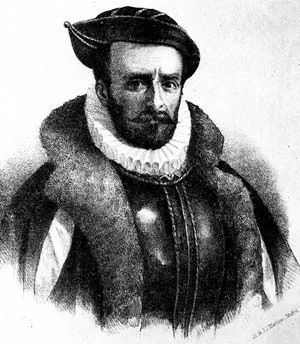
(Sevilla, hacia 1590 - Madrid, 1667) Pedro de Quirós, poeta español. Profesó en el convento de Clérigos Menores de dicha ciudad hacia 1624. En 1659 fue nombrado propósito del colegio de su orden en Salamanca y reelegido en 1665, pero el mismo año pasó a ser visitador general de la provincia de España. Escribió versos latinos y castellanos. Su obra poética se conserva en el manuscrito Poesías divinas y humanas, que contiene sonetos, canciones sacras, romances, madrigales y una excelente Égloga al Nacimiento de Cristo. Su soneto A Itálica y el madrigal Tórtola amante fueron publicados por primera vez por Amador de los Ríos en 1838, y desde entonces aparecen en todas las antologías. En sus versos utilizó un lenguaje popular enriquecido por un cierto conceptismo.
1 poezii, 0 proze
John Milton
1608 - 1674 One of the greatest poets of the English language, best-known for his epic poem PARADISE LOST (1667). Milton's powerful, rhetoric prose and the eloquence of his poetry had an immense influence especially on the 18th-century verse. Besides poems, Milton published pamphlets defending civil and religious rights. John Milton was born in London. His mother Sarah Jeffrey, a very religious person, was the daughter of a merchant sailor. His father, also named John, had risen to prosperity as a scrivener or law writer - he also composed music. The family was wealthy enough to afford a second house in the country. Milton's first teachers were his father, from whom he inherited love for art and music, and the writer Thomas Young, a graduate of St Andrews University. At the age of twelve Milton was admitted to St Paul's School near his home and five years later he entered Christ's College, Cambridge. During this period, while considering himself destined for the ministry, he began to...
17 poezii, 0 proze
 JJ
JJJames JOYCE
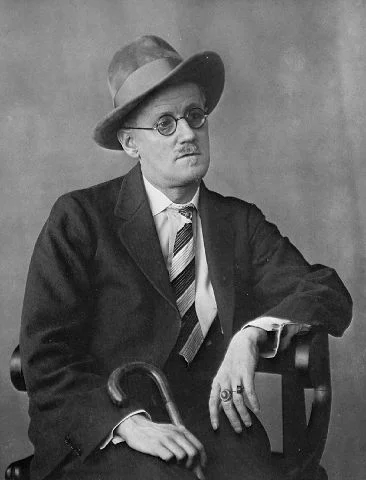
James Joyce (1882-1941), Irish novelist, noted for his experimental use of language in such works as Ulysses (1922) and Finneganns Wake (1939). Joyce\'s technical innovations in the art of the novel include an extensive use of interior monologue; he used a complex network of symbolic parallels drawn from the mythology, history, and literature, and created a unique language of invented words, puns, and allusions. James Joyce was born in Dublin, on February 2, 1882, as the son of John Stanislaus Joyce, an impoverished gentleman, who had failed in a distillery business and tried all kinds of professions, including politics and tax collecting. Joyce\'s mother, Mary Jane Murray, was ten years younger than her husband. She was an accomplished pianist, whose life was dominated by the Roman Catholic Church. In spite of their poverty, the family struggled to maintain a solid middle-class facade. From the age of six Joyce, was educated by Jesuits at Clongowes Wood College, at Clane, and then at...
17 poezii, 0 proze
James Joyce
Joyce was born in Dublin, where his father was a rates collector. He was educated at a Jesuit school and University College, Dublin where he studied philosophy and language. When he was still an undergraduate, in 1900, his long review of Ibsen’s last play was published in the Fortnightly Review. At this time he also began writing his poems which were later collected in Chamber Music, published in 1907. In 1902 Joyce left Dublin for Paris, but returned the following year as his mother was dying. From 1904 he lived with Nora Barnacle, whom he married in 1931 (the year his father died), a son was born in 1905, and a daughter in 1918. Their home from 1905 to 1915 was Trieste, where Joyce taught English at the Berlitz school. In 1909 and 1912 he made his final trips to Ireland, attempting to arrange the publication of his first book Dubliners, which finally appeared in England in 1914. It was during this time that he was contacted by Ezra Pound, a leading champion of modernist writers who...
0 poezii, 0 proze
 JO
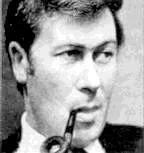
JOJohn James Osborne
English dramatist. He began his theatrical career as an actor and playwright in provincial English repertory theaters. Osborne\'s plays usually focus on an individual character and the sheer force of his language rather than on action. His first commercial success was Look Back in Anger (1956), concerning a restless and vociferous young man of the working class who is at war with himself and society; it became the seminal work for the so-called angry young men. His other plays depict the frustration of living without hope in a world filled with false values. Among Osborne\'s other plays are The Entertainer (1957), Luther (1961), Inadmissible Evidence (1964), A Patriot for Me (1965), The End of Me Old Cigar (1974), Watch It Come Down (1976), and Déjà vu (1991). He also wrote the screenplay for Tom Jones (1963).
1 poezii, 0 proze
 LT
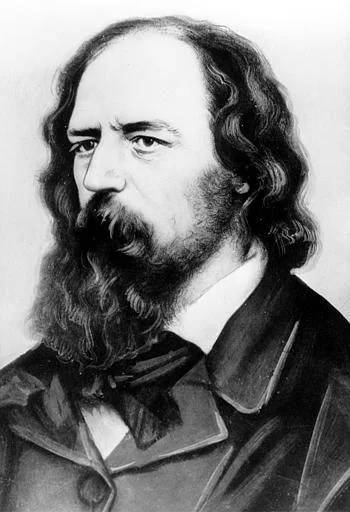
LTLord Alfred Tennyson
Alfred Tennyson, 1st Baron Tennyson, FRS (6 August 1809 – 6 October 1892) was Poet Laureate of the United Kingdom and remains one of the most popular poets in the English language. Tennyson excelled at penning short lyrics, including "In the valley of Cauteretz", "Break, break, break", "The Charge of the Light Brigade", "Tears, idle tears" and "Crossing the Bar". Much of his verse was based on classical mythological themes, although In Memoriam A.H.H. was written to commemorate his best friend Arthur Hallam, a fellow poet and classmate at Trinity College, Cambridge, who was engaged to Tennyson's sister, but died from a cerebral hemorrhage before they were married. Tennyson also wrote some notable blank verse including Idylls of the King, Ulysses, and Tithonus. During his career, Tennyson attempted drama, but his plays enjoyed little success. Tennyson wrote a number of phrases that have become commonplaces of the English language, including: "Nature, red in tooth and claw", "'Tis...
1 poezii, 0 proze
 OD
ODolga alexandra diaconu
OLGA ALEXANDRA DIACONU Poet, prose writer, essayist; Education: Faculty of Letters, 1971 Occupation: teacher of Romanian and French Language and Literature; Date of birth: April 19, 1948; Place of birth: Moreni city, Dâmboviţa department; First published in a literary magazine: the Luceafărul magazine, the 4th of November, 1974; First published book: 1993 Ed. Helga, Iasi, with the volume of poetry “The right to immortality”; Other volumes published: the essay “Creation and creativity in the vision of Mircea Eliade”, Sedcom Libris, Iasi, 2001; “The round of elements”, Augusta, Timișoara, 2003, poems; “Waiting for a wave to come”, Augusta Art Press, Timișoara, 2005, novel; “The eye of Eve”, Cronica, Iasi, 2007, poetry - Second prize in religious poetry contest Daniil Sandu Tudor, initiated by Radio România Cultural, Vatra Dornei, 2007; “The light of the Mountain”, Timpul 2007, poetry - The special prize for poetry in Romanian Competition Poesia e arti figurative prose - Il...
490 poezii, 0 proze
 RV
RVRenée Vivien
Renée Vivien, born Pauline Mary Tarn (11 June 1877 - 18 November 1909) was a British poet who wrote in the French language.[1][2] She took to heart all the mannerisms of Symbolism, as one of the last poets to claim allegiance to the school. Her compositions include sonnets, hendecasyllabic verse, and prose poetry. Vivien was born in London, England to a wealthy British father and an American mother from Jackson, Michigan. She grew up in Paris and London. Upon inheriting her father's fortune at 21, she emigrated permanently to France. In Paris, Vivien's dress and lifestyle were as notorious among the bohemian set as was her verse. She lived lavishly, as an open lesbian, and carried on a well-known affair with American heiress and writer Natalie Clifford Barney. She also harbored a lifelong obsession with her closest childhood friend and neighbor, Violet Shillito – a relationship that remained unconsummated. In 1900 Vivien abandoned this chaste love, when the great romance with Natalie...
17 poezii, 0 proze
NIG de vorbă cu scriitorul și traducătorul Cristian Săileanu
de Nuta Istrate Gangan
NIG: Domnule Săileanu, nu știu prea multe despre domnia ta. Ce ar trebui să știu în primul și în primul rând? C.S.: De trebuit n-ar trebui să știi nimic. Dar, de fapt nu știi pentru că nu am făcut...
Dialoguri politice (1)
de Viorel Gaita
Acest “scenariu” ,dintr-o serie de cateva zeci, a fost adaptat, dramatizat pentru televiziune si difuzat intr-o dupa-amiaza linistita de toamna a anului 1994, la Tele7 abc. Piesele de teatru, in care...
Alean
de Corneliu Traian Atanasiu
Normal 0 false false false MicrosoftInternetExplorer4 st1\\:*{behavior:url(#ieooui) } /* Style Definitions */ table.MsoNormalTable {mso-style-name:\"Table Normal\"; mso-tstyle-rowband-size:0;...
Panama - 102.5 - el lenguaje del Amor
de Elena Overhamm
Totul a început de la un anunț imobiliar. În căutarea unui loc unde să ne stabilim atunci când va veni vremea liniștii și contemplației, unul neapărat însorit - eventual între cele două tropice, cum...
in the old wolf language
de Ștefan Petrea
Amintirea se repede la mine ca un cîine turbat i-am dat să mănînce mătrăguna anilor foști mă trîntește la pămînt și mă mușcă de sînge îmi dă turbarea ei cum ți-aș da ție cafeaua printr-un gest...
do you know any language
de Florentin Cristian
totul este o prelucrare de talente eu sunt profesoară french poți tu aspirator să freci că ești as eu aș prefera proză cât beau o doză de energizant flotant, important importat să nu îmi zgâlțâi a la...
Chat
de Robert Coravu
învăț chat language și mănânc langues de chat cu toate că dragostea asta are pierderi pe rețea văzând aceste slove scurgându-se în canalul #love zâmbesc cu două puncte cratimă paranteză către...
The Fossil Hittite by Marin Sorescu
de Catalin P
The Fossil Hittite He thought in a language that was dead For three thousand years. And he wrote on waxed plates Which immediately were getting the mark of time And they were hidding themselves in...
Naufragiat pe continentul european
de Samuel Feinstein
Introducere Limba nu minte Die Sprache lügt nicht La langue ne ment pas The language doesn’t lie „When I stood in the Principle, the ground of Godhead, no one asked me where I was going or what I was...
something different
de dumitrita paladi
imaginează-ți despre iubirea noastră se turnează un film un musical tu cînți in that fucking language eu îți mîngîi părul cărunt mă gîndesc la inutilitatea ștampilei din pașaport știi ce contează –...